

Legacy does not mean worthless. It usually means the system still makes money - and everyone is afraid to touch it.
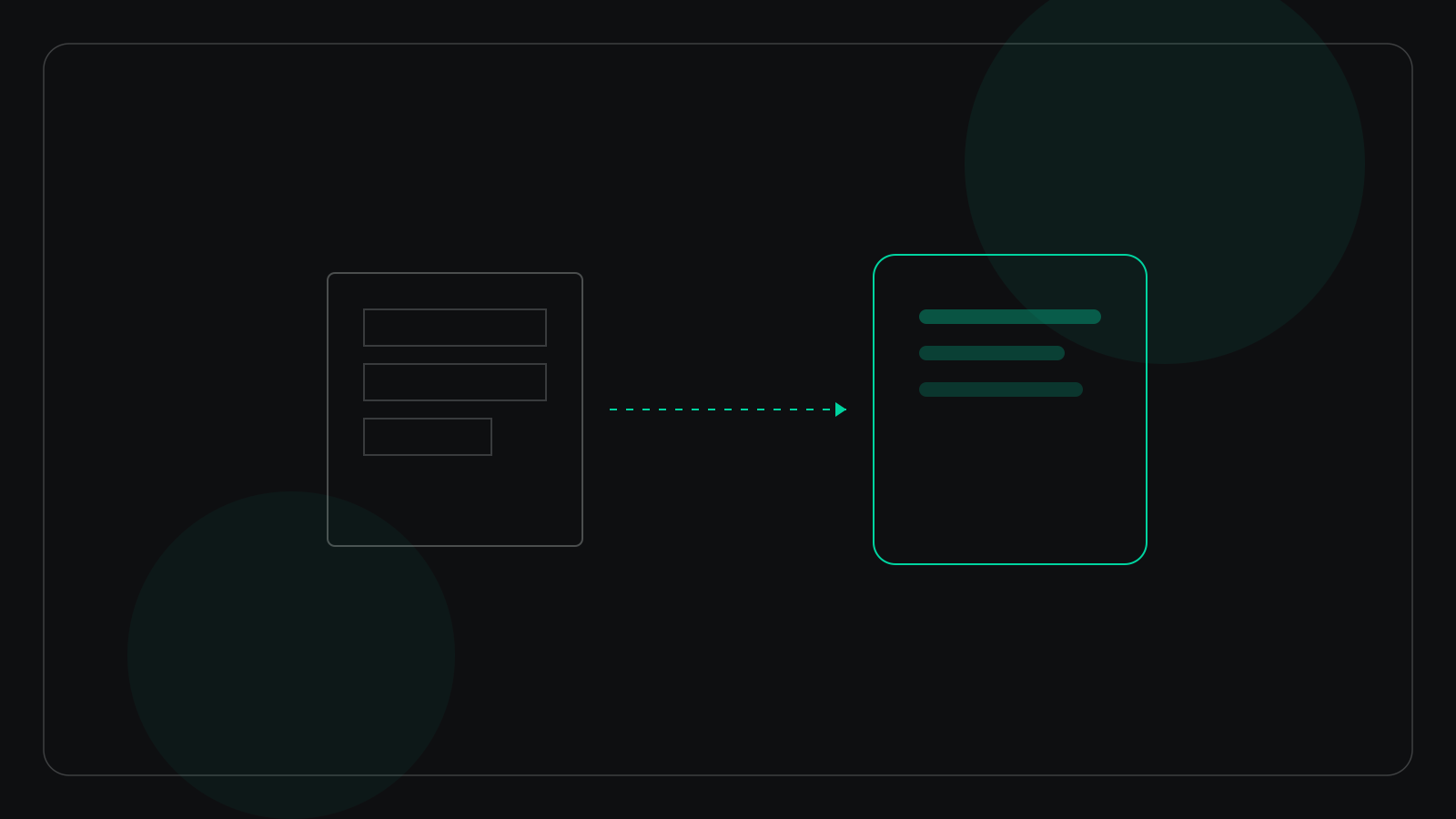
Legacy software modernization works when you treat risk as the product. The goal is not a prettier stack. The goal is a system your next team can change without a war room.
Rewrite, wrap, or replace?
- Rewrite when the domain is clear, the UI is the smallest part of the problem, and you can carve vertical slices.
- Wrap when the core logic is stable but access, reporting, or integrations are painful - APIs and anti-corruption layers help.
- Replace when a commodity product covers 80% and the custom 20% is not your advantage.
Big-bang rewrites fail when the business cannot freeze change for a year. Prefer strangler patterns: new paths for new work, old paths shrinking over time.
A modernization sequence that survives contact with reality
- Inventory: what the system does, who depends on it, where the data lives.
- Stabilize: backups, monitoring, access control - before new features.
- Extract a seam: one bounded context you can own independently.
- Ship a thin vertical slice to production users.
- Repeat. Measure lead time and incident rate, not lines of code rewritten.
People and politics
The hardest part is often not code. It is the report only one person understands, the vendor contract, or the team that "just knows" the batch job. Budget for documentation and pairing, not only for engineers.
Orissian approaches modernization as software engineering plus cloud and infrastructure - with clear ownership after cutover. For partner selection, see our enterprise software development buyer checklist.
Related: PostgreSQL vs MongoDB when the data layer is part of the knot.
Describe your legacy constraints · More insights