


Most B2B products do not fail because React was the wrong library. They fail because tenancy, identity, and entitlements were treated as features to add later.
A multi-tenant SaaS architecture is a set of decisions about isolation, noisy neighbors, and who is allowed to see which row. Those decisions should be written down before the first paying customer arrives - not reconstructed from production incidents six months in.
What multi-tenant really means
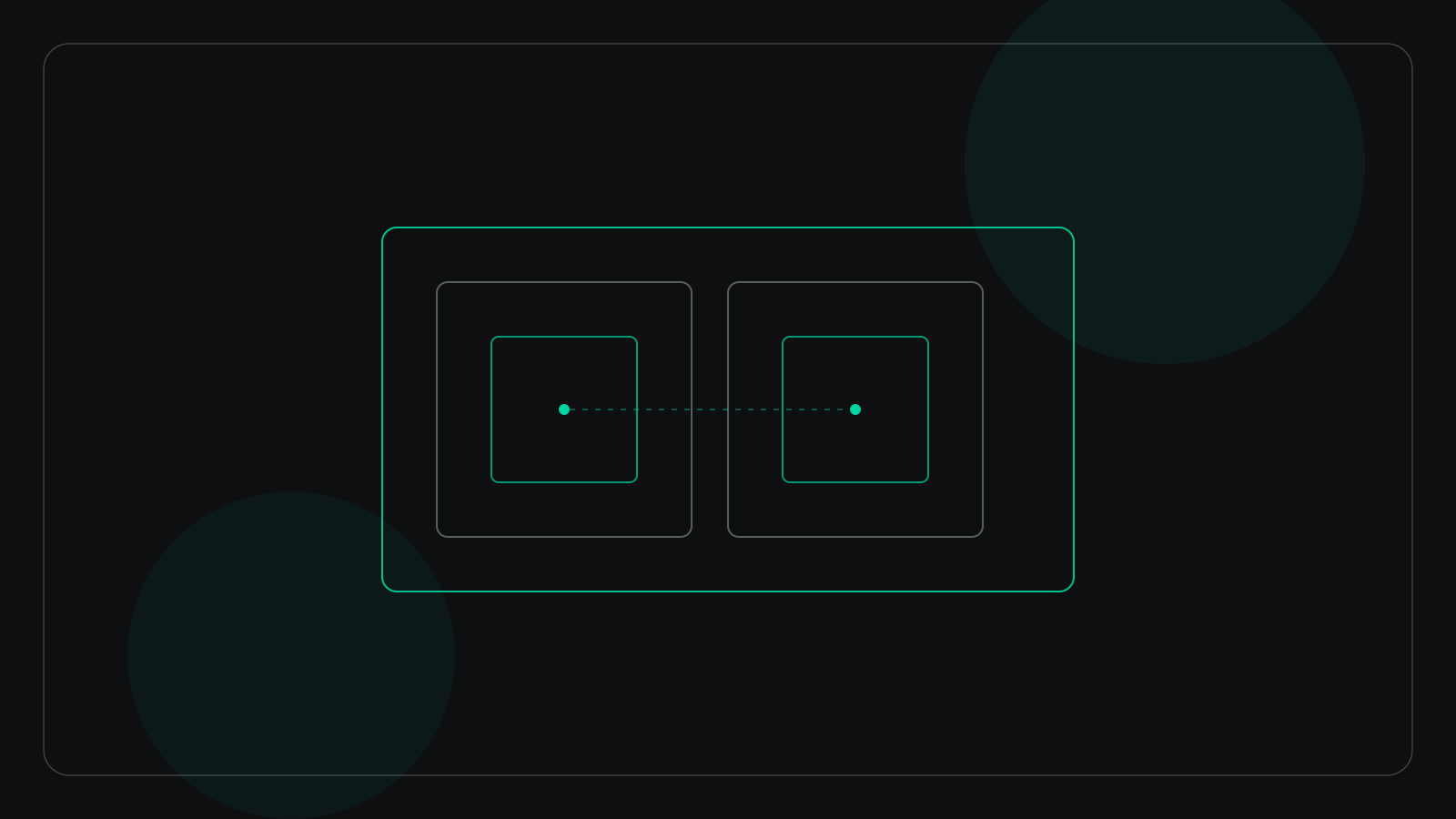
Multi-tenant means many customers share one runtime, one codebase, and often one database - while still believing the product is theirs alone. That belief only holds if isolation is intentional.
You will usually choose among three patterns:
- Shared schema, shared database - fastest to ship, highest discipline required on every query.
- Schema-per-tenant or DB-per-tenant - stronger isolation, heavier ops.
- Hybrid - shared for most data, dedicated for regulated or noisy customers.
None of these is "enterprise by default." Enterprise is the ability to explain the tradeoff to a security reviewer without hand-waving.
Decisions to lock early
- Tenant identifier - every row that can leak must carry it, and every API must resolve it from auth - not from a client-supplied ID alone.
- Identity model - users, seats, SSO, and service accounts. Mixing "user" and "tenant admin" late is expensive.
- Entitlements - plans, feature flags, and usage limits as data - not if-statements sprinkled through controllers.
- Noisy neighbor policy - rate limits, queues, and storage quotas before one customer starves the rest.
Where teams get burned
The classic failure is a report query that forgets the tenant filter. The second is an admin tool that can see all tenants "just for support." The third is backups and logs that mix customer data without access controls.
If you are evaluating a digital platforms partner, ask how they test for cross-tenant access - automated tests, not hallway promises.
A practical sequencing
- Model tenant and membership first.
- Put tenant context in auth middleware, not in each controller.
- Add row-level tests for the five riskiest queries.
- Only then optimize for scale - partitions, read replicas, dedicated tenants.
Related reading: how to choose a custom SaaS development partner and PostgreSQL vs MongoDB for enterprise apps.
When Orissian helps
Orissian designs software engineering systems with tenancy as a first-class concern - so the product you sell matches the isolation you can defend. If you are past MVP and nervous about the next enterprise deal, that is usually the right time to talk.
Start a conversation · More insights